(227) 264-0153
 info@egconcreteandmasonry.com
A slick walkway can be easy to ignore until someone nearly slips while carrying groceries, greeting guests, or walking to the car after rain. In May, Maryland homes can get plenty of wet mornings, pollen film, damp leaves, and shaded areas that make concrete feel more slippery than it should. In Potomac, MD, many walkways also sit near mature trees and planted beds, which can make the surface stay wet longer after spring showers. This blog will explain why a concrete walkway gets slick, what safer surface options are available, and when it may be time to improve the finish rather than hoping it dries faster next time.
How Concrete Walkways Become Slick After Spring Rain
Hardscape Edges Can Hold Water
A concrete walkway usually becomes slick for a reason, and it is not always because the material itself is wrong. Water may be sitting on the surface because the walkway lacks sufficient slope, or because soil, mulch, or nearby hardscaping borders are retaining moisture along the edges. When water cannot easily move off the path, it mixes with pollen, fine dirt, algae, and leaf debris. That thin layer can feel almost soapy under shoes, especially on smooth concrete. This is why a walkway that seemed fine in dry weather can feel risky after one spring rain.
The edge details matter more than many homeowners expect. A walkway next to planting beds, retaining walls, or patios may need additional drainage space to prevent water from collecting where people step. Rockville, MD, homes with older front walks often have borders added years later, which can alter how water moves. If mulch sits too high against the concrete, it can trap damp material along the side. A safer surface starts with understanding whether the slick feeling comes from the finish, the drainage, or both.
Patios Can Show The Same Clues
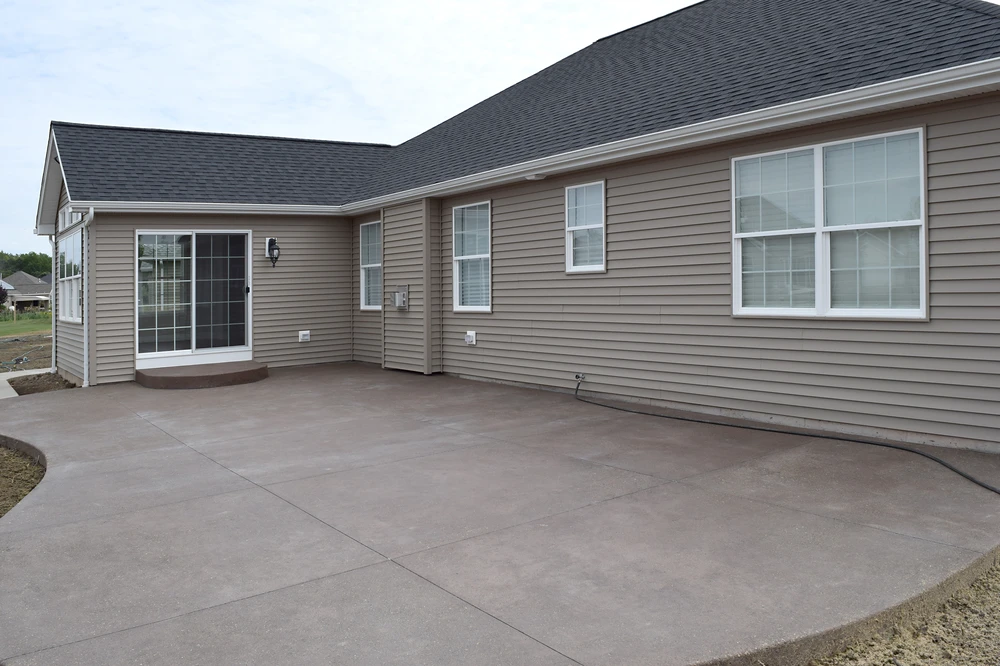
Patios can reveal the same problems that happen on walkways. If a patio stays damp in one corner long after the rain ends, the nearby walkway may be dealing with the same drainage pattern. This is common when outdoor spaces were built at different times, with one section sloping toward another instead of away from it. A concrete path that connects patios, steps, and doorways needs to guide water in the right direction. Otherwise, even a nice-looking finish can become a slipping concern.
Surface texture is also part of the issue. A very smooth concrete finish can look clean at first, but it may not offer enough grip when wet. Some homeowners choose a smooth finish because they like the polished look, but outdoor walkways need traction first. Patios used for dining and outdoor seating can sometimes handle more decorative finishes, but main walking paths should be easy to use in wet weather. The best surface choice should fit the way the space is actually used, not just how it looks on installation day.

Better Concrete Finish Choices For Safer Footing
Broom Finish for Hardscape Grip
A broom finish is one of the most common choices for outdoor concrete, and for good reason. After the concrete is placed and smoothed, a broom is drawn across the surface to create fine lines. These lines give shoes more grip after rain without making the walkway feel rough or uncomfortable. This option works well for front walks, side paths, garden routes, and other areas people use every day. It is simple, dependable, and usually fits well with many home styles.
The direction of the broom marks matters. If the lines run across the walking direction, they can help improve traction as someone steps forward. A refined crew will also pay attention to how deep the texture should be, because a too-light finish may not help much, while a too-rough finish can collect dirt faster. In Potomac, MD, where many properties have shaded paths under trees, that balance can make a real difference. A well-done broom finish can make concrete safer without making the walkway look unfinished.
Cleaner Textures for Paths and Patios
Some homeowners want more grip but do not want the most basic appearance. In that case, there are concrete texture choices that can look more finished while still helping with traction. Exposed aggregate is one example in which small stones are revealed at the surface to create a more textured look. It can be attractive near patios and garden paths, especially when the stone colors work with the home’s exterior. However, it needs to be installed carefully so the texture feels usable rather than sharp or uneven.
Stamped concrete can also be used outdoors, but the pattern and sealer matter a lot when rain safety is a concern. A deep pattern may look beautiful, but if it is sealed with a glossy product, it can become slick when wet. This is where refined tools and techniques are important because the surface needs to be planned for real foot traffic. If masonry steps, stone edging, or brick borders are nearby, the concrete finish should feel connected to those materials. Safer does not have to mean plain, but it does need to be practical.
When Concrete Needs More Than A Surface Change
Sealer Problems And Wet Spots
Sometimes the issue is not the concrete itself but what was applied on top of it. A sealer can help protect outdoor surfaces, but the wrong type can create a slippery film. Glossy sealers are often the biggest problem on walkways because they can reduce grip after rain. This can be especially noticeable in shaded areas where the surface dries slowly. If the walkway looks shiny even when dry, the sealer may be part of the reason it feels unsafe.
A better option may be a penetrating sealer or a product with a traction additive, depending on the surface condition. The old coating may need to be cleaned or removed before anything new is applied. This is not the kind of job that should be guessed at because products need to work with the existing finish. In Rockville, MD, homeowners may also deal with salt exposure from winter, which can affect both the surface and the coating. Good preparation helps the next layer perform better and last longer.
Patios And Walkways Need Drainage
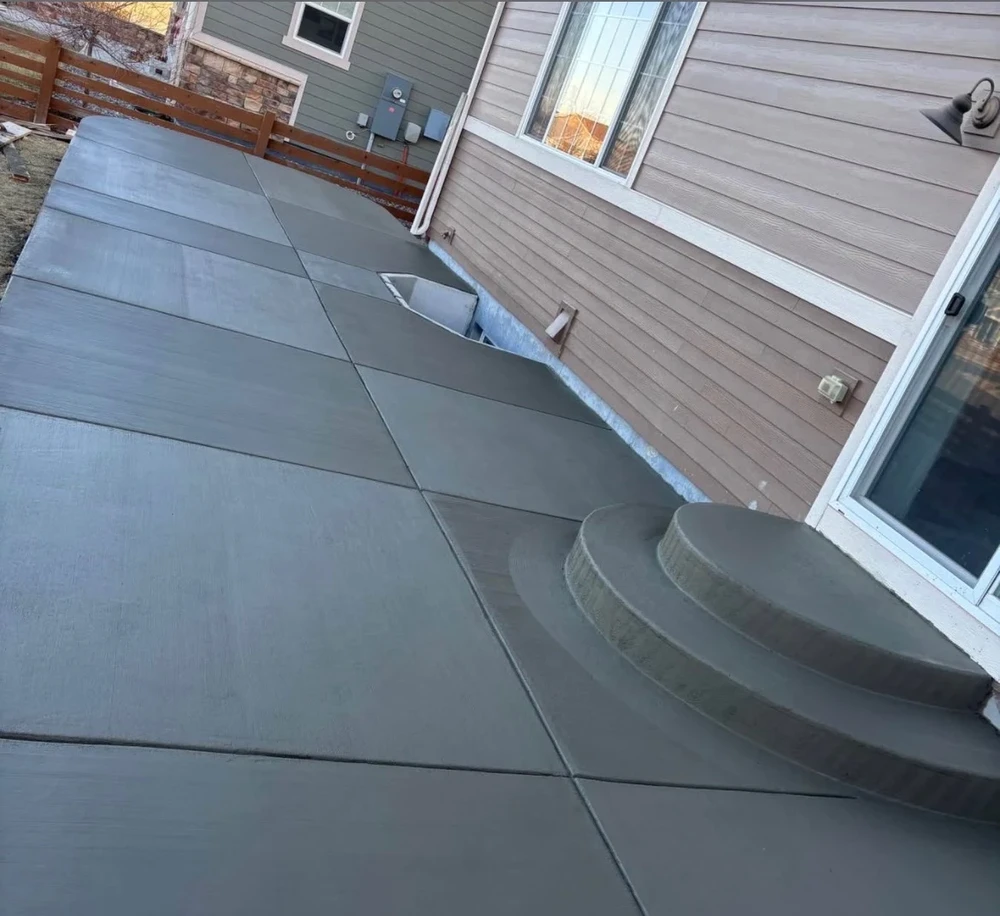
A safer finish can help, but water still needs a place to go. Patios and walkways should be shaped to direct rain away from the house, steps, and high-traffic areas. When water sits near a doorway or at the bottom of a slope, people naturally step right into the slickest area. Over time, those wet spots can also collect algae and dark staining. Cleaning may help for a short time, but it will not solve the source of the problem.
Drainage corrections can include regrading soil along the edge, lowering mulch, adjusting nearby hardscape borders, or replacing sections that are holding water. For more serious issues, a walkway may need to be rebuilt with the right base and slope. This is especially true if the surface has settled or cracked, as water has been moving beneath it. Superior, solid results come from treating drainage as part of the design, not as an afterthought. When the ground, base, and finish work together, the concrete has a better chance of staying safer in rainy weather.
Conclusion
A slick walkway after rain is more than a small annoyance, especially when family, guests, or delivery drivers use that path often. The right solution may be a better texture, a safer sealer, improved drainage, or a full replacement if the concrete has deeper problems. At Evergreen Enterprises, we strive for excellence by considering the whole walkway, from the surface finish to the nearby hardscaping and planting areas. We use refined tools and techniques to help create superior, solid results that fit the home and how people move through the space. Contact us today if you want help making your walkway safer and easier to use after rain.