(227) 264-0153
 info@egconcreteandmasonry.com
Older patios, walkways, and stone features can still have plenty of life left in them, even if they look tired after years of weather, foot traffic, and outdoor use. In Potomac, MD, May can be a good time to take a closer look because spring rain, warmer afternoons, and new plant growth make worn outdoor areas easier to notice. Some homeowners may think a full rebuild is the only answer, but many hardscaping updates are smaller, smarter, and more practical. This blog will explain simple ways to make older surfaces look better, feel safer, and work better before summer gets fully underway.
Hardscaping for Better Patio Comfort and Use
Masonry Joints That Need Fresh Attention
Older masonry can start to show its age in the joints before the main stones or pavers look damaged. The joints are the spaces between the materials, and they help keep everything locked into place. When those spaces wash out, crack, or become overgrown with weeds, the whole patio can look older than it really is. This is common in yards where water drains across the surface after spring storms. A good refresh often starts with removing loose material, filling open joints, and ensuring the surface still has the right shape for water to drain away from the home.
This kind of hardscaping work may sound small, but it can make a big difference in daily use. Loose joints can make chairs rock, create trip spots, and allow more weeds to grow between the stones. In Bethesda, MD, patios near mature trees may also be affected by roots, leaf stains, and damp, shaded spots that make joint wear more visible. A careful masonry refresh can help the patio feel more cared-for without changing its overall character. This works well for homeowners who like the existing layout but want it to feel easier to use again.
Concrete Edges That Show Their Age First
Concrete patios and walkways often age around edges, corners, and control joints first. These are the areas where water sits, soil shifts, or daily use causes small chips to grow into rough sections. If the main slab is still in good shape, repairs may focus on resurfacing worn spots, filling cracks, or improving the edge where grass and mulch meet the surface. This can make the outdoor area look more finished without requiring a full replacement. It also helps prevent small surface issues from becoming larger problems as summer heat and heavier outdoor use arrive.
For older hardscaping, the goal is not always to make everything look brand new. Sometimes the better choice is to make the surface look cared for and safe while still matching the home and yard. Stamped concrete can be useful when a homeowner wants to refresh an area with added texture or a stone-like look. It should still be chosen with care because the color, pattern, and finish need to match the older patio or walkway nearby. When done well, concrete updates can blend into the rest of the landscape rather than look like a patch.
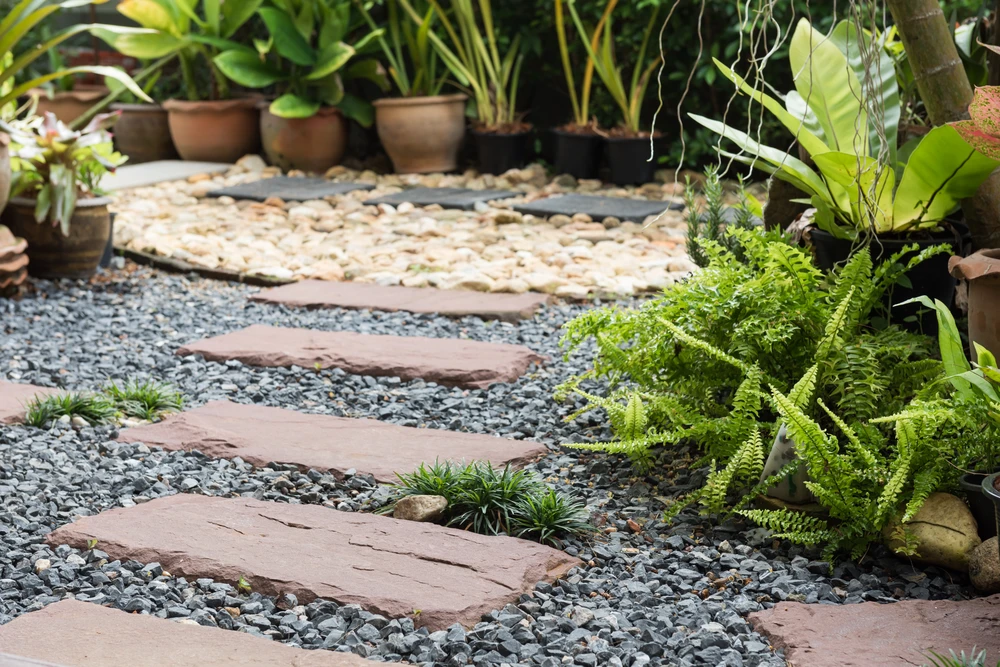
Hardscaping Repairs Help Walkways Feel Safe
Resetting Settled Masonry in High-Use Areas
Walkways are used almost every day, so they usually show wear faster than decorative stone features. Older hardscaping near gates, front steps, garden beds, and outdoor seating areas may settle due to soil movement or years of water running beneath. When one stone sits higher than the next, the walkway can become uncomfortable and unsafe. It may also collect puddles after rain, making the surface look neglected even when the rest of the yard is well-maintained. Resetting settled stones can help restore a smoother walking surface while keeping the original look.
A walkway refresh also gives homeowners a chance to check how the area connects to the rest of the yard. In Potomac, MD, many properties feature layered landscapes with patios, garden paths, retaining walls, and stone steps that work together. If one section sinks or tilts, it can make nearby masonry features appear uneven as well. The best repairs usually focus on what caused the movement, not just what can be seen on top. That may include improving the base, adjusting drainage, or replacing worn joint material so the stones do not shift again too quickly.
Fixing Concrete Gaps Near Stairs and Entries
Gaps near stairs and entries deserve close attention because people naturally step there more often. Even a small dip or raised edge can be annoying when carrying groceries, helping kids outside, or moving patio furniture. Concrete walkways near entry points may crack where the slab meets a step, porch, or driveway. Pavers and stone pieces may spread apart when the base below them weakens. These spots should be checked before summer gatherings, when outdoor areas get more traffic and less time between uses.
Hardscaping repairs around entries should look neat, but they also need to function well. A repair that ignores drainage can look good for a short time and then fail after a few storms. In Bethesda, MD, older homes may have walkways built before current outdoor living styles became so common, so the layout may need small upgrades to suit use better. A wider landing, smoother transition, or stronger edge can make the space feel more comfortable without changing the whole front yard. The best results usually come from refined tools and techniques, not rushed patchwork.

Refresh Hardscaping Finishes Before Summer
Sealants That Protect Masonry Color
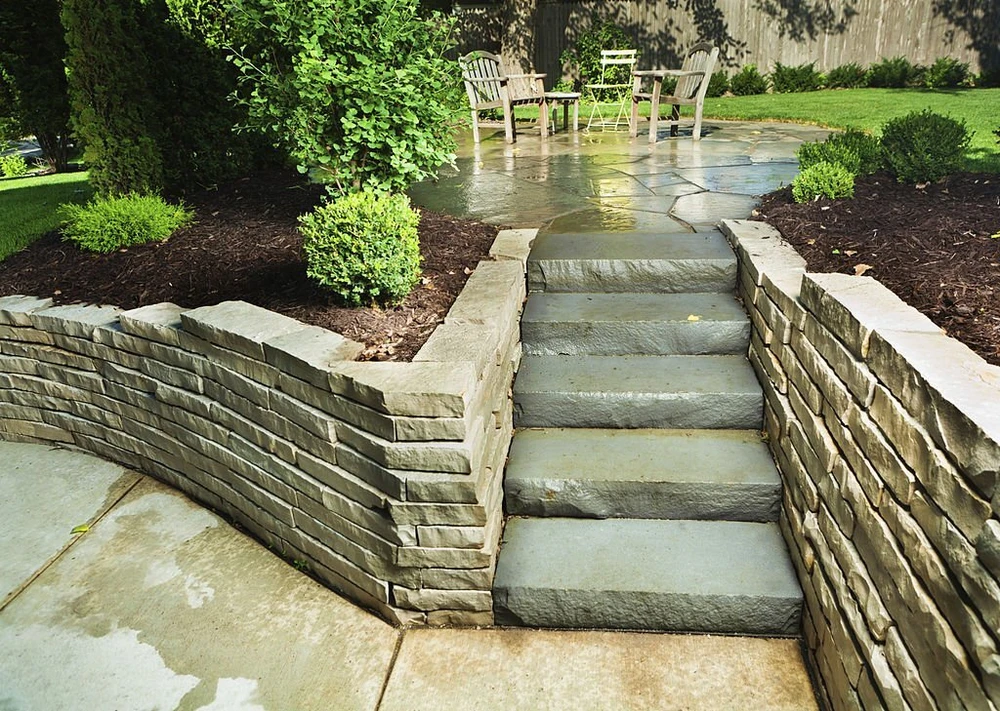
Stone walls, borders, and patio features can lose color after years of sun, rain, and organic buildup. Masonry does not always need heavy repair to look better, but it does need the right kind of care. Washing the surface, removing weeds from crevices, and checking for loose stones can help restore much of the original charm. Sealants may also help protect color and reduce staining, but they should be matched to the material. Natural stone, brick, and concrete products do not all react the same way to coatings.
A good hardscaping refresh should never cover up a problem that needs repair first. If a wall has loose stones, open joints, or drainage issues behind it, sealing the face will not solve the real concern. That is why older masonry should be inspected before any finish is added. Some sealants create a richer color, while others are made to protect the material with less visual change. Homeowners who want superior, long-lasting results should consider both appearance and long-term performance before choosing a finish.
Concrete Texture Choices For Old Patios
Concrete patios can be refreshed in a few different ways depending on their condition. A slab with light surface wear may be a candidate for resurfacing, whereas deeper cracking or sinking may require more extensive repair. Texture matters too, especially around dining areas, pool edges, and garden walkways, where wet feet or spring rain can make smooth surfaces slippery. Stamped concrete can give an older patio a more decorative look when the existing space feels plain. It can also help connect a newer area to stone borders or nearby planting beds.
Hardscaping finishes should match how the space is actually used. A family that grills often may want a surface that handles spills and furniture movement better. A homeowner who enjoys garden paths may care more about a natural stone look and softer color choices. Concrete can be practical, but it still needs the right finish so it does not feel out of place beside older stone features. When the refresh is planned with the home, yard, and maintenance needs in mind, the result feels more complete and easier to enjoy.
Conclusion
Older patios, walkways, and stone features do not always need to be torn out to feel useful and attractive again. With the right hardscaping approach, small repairs, masonry care, concrete updates, and finish work can bring back comfort, safety, and a more cared-for look. At Evergreen Enterprises, we understand that homeowners want refined tools and techniques, superior, solid results, and a team that strives for excellence in every project. If your outdoor space is starting to show its age, contact us today, and we’ll be happy to help you explore the best refresh options for your home.